
Healthy eating doesn't have to be intricate or challenging. By adopting straightforward strategies, you can transform your diet into something more nutritious without the fuss. Dive into simple strategies and find out how effortless adjustments can make a significant impact on your journey to a healthier lifestyle.
The Power of Simplicity in Every Meal
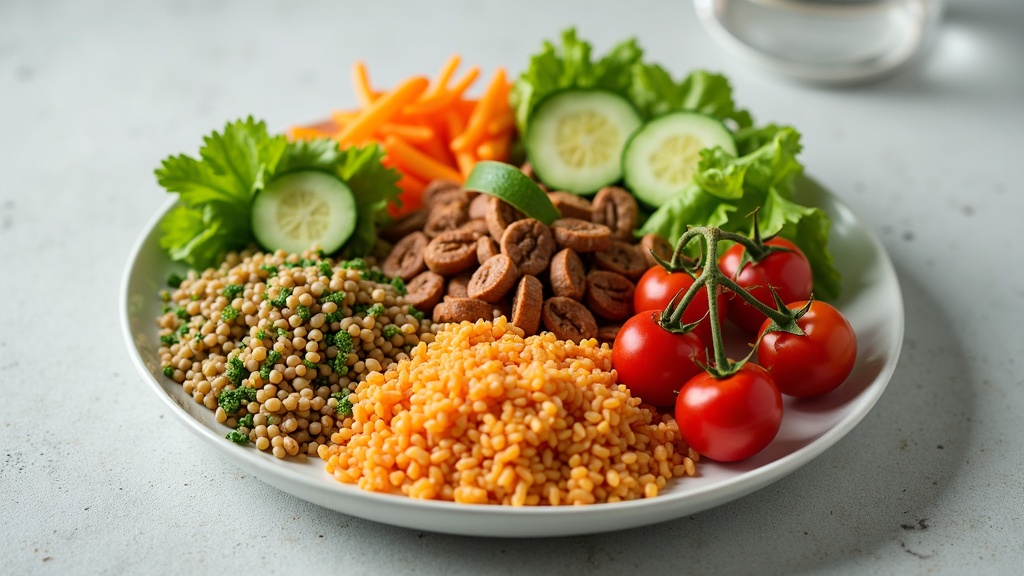
Simplicity is often underestimated when it comes to balancing nutritious meals. The cornerstone of a healthy diet is incorporating whole foods—such as fruits, vegetables, and whole grains—that don't require elaborate preparations. Prioritize meals that celebrate the natural flavors and textures of ingredients, allowing them to shine rather than being overshadowed by complicated cooking techniques or overloaded recipes.
Choosing Whole, Unprocessed Foods
One simple shift that can lead to a substantial health benefit is swapping processed foods for whole foods. Instead of opting for a box of instant noodles, consider a bowl of quinoa topped with sautéed vegetables and herbs. Evelyn Cummings, a registered dietitian, explains that whole foods are less likely to contain excessive sodium, sugars, and artificial additives. By enjoying more whole foods, we give our bodies the nutrients required to perform optimally while reducing clutter on our plates.
Mindful Meal Planning: A Stress-Free Approach
Meal planning can sometimes feel like an arduous task, loaded with pressure to create Pinterest-perfect dishes. However, Ezequiel Hastings, a nutrition expert, emphasizes a departure from over-planning. Instead, develop a flexible plan that lists versatile ingredients. Such a strategy allows for fewer shopping headaches and the freedom to swap out items depending on availability, preferences, or moments of creativity.
Smart Portioning: Less Can Be More
Smart portioning is all about balance and listening to your body’s needs. Overcomplicating meals often leads to overconsumption, especially when faced with platters of intricate dishes. By focusing on filling your plate with a balance of proteins, fats, and carbohydrates, you avoid the cycle of excess. As nutritionist Lena Quigley shares, understanding your body's signals is vital in maintaining dietary balance without adhering to strict or rigid portioning rules.
Remembering Hydration as a Meal Partner
Hydration plays a crucial role in a healthy diet yet is often overlooked when discussing mealtime strategies. Alicia Torres, a health coach, recommends coupling each meal with a glass of water to ensure proper digestion and nutrient absorption. This simple act can profoundly influence your dietary habits, ultimately helping you distinguish between actual hunger and dehydration-induced cravings.
Experimenting With International Flavors
Inject some fun and excitement into your meals by exploring different international cuisines that emphasize simplicity in preparation and healthfulness in ingredients. The Mediterranean diet, rich in vegetables and healthy fats, or the Japanese washoku, focusing on seasonal balance, showcase how diverse types of ingredients can be joyful without the complexities of gourmet cooking. This not only keeps meals interesting but also broadens your culinary skills with minimal effort.
Achievable Goals: Tracking Progress Without Pressure
Setting achievable goals is key to maintaining motivation without succumbing to pressure. George Mallory, a behavioral psychologist, suggests starting small by pledging to cook at least two healthy meals per week if home-cooked meals are a rarity. Keep a journal or use an app to track your success. As time progresses, this record not only serves as motivation but also as a powerful reminder of your capabilities.
Building a Supportive Environment
Surrounding yourself with supportive friends or family members who also aim for healthier lifestyles can be instrumental. Mary Whitaker, a wellness coach, notes that when you share your journey with others, it often leads to the exchange of recipes, ideas, and mutual encouragement. Social settings such as creating a family meal night can infuse joy into meal preparations, making it a shared activity rather than a solitary task.
Reassessing and Evolving Your Approach
Over time, what begins as a simple adjustment can become a way of life. Periodically reassess your eating habits, keeping what works and adjusting what doesn’t. Nutrition is not static; your needs will evolve with changes in lifestyle, age, and activity levels. Adaptability ensures longevity in healthy eating, solidifying the habits that will sustain you in the long run. Always be open to trying new foods and altering routines as necessary to continue growing in this personal journey.